If you have ever faced the aftermath of water, fire, or mold damage in your home, you know how quickly stress can build. Not just from the cleanup, but from navigating insurance claims. A clear understanding of your insurance policy is crucial to maximizing your reimbursement, minimizing your losses, and regaining peace of mind. Here is what you need to know to feel empowered when disaster strikes.
Common Insurance Policy Terms Every Homeowner Should Know
Insurance documents can seem complex, but knowing several terms can clarify the coverage process after property damage. Study the “dwelling coverage” section, which typically covers structural damage to your home. “Personal property coverage” helps with the replacement or repair of your belongings. Pay close attention to terms such as “perils,” describing what types of events, like burst pipes or fires, are actually covered. Another key term is “exclusion.” For instance, while sudden water damage from a plumbing issue may be covered, gradual leaks or flooding caused by natural events frequently are not.
Typical Coverage Limitations for Water, Fire, and Mold Damage
While water damage restoration, fire damage restoration, and mold remediation are vital services after a disaster, each may fall under different parts of your coverage:
-
Water damage is often covered if it is related to sudden, accidental incidents, like a pipe that bursts during a sudden freeze. However, flooding due to heavy rains or a backed-up sewer usually requires additional flood insurance.
-
Fire damage is generally covered, including structural issues and smoke odors. However, wildfires or damages resulting from neglect may have special restrictions.
-
Mold growth is commonly a gray area. Most policies cover mold remediation only when the mold results from a covered peril, such as water damage from extinguishing a fire or from a sudden incident. Long-term mold due to poor upkeep might be excluded.
Check for “caps” or limits on mold claims, as policies in New England, including Massachusetts, may set strict dollar limits or require pre-authorization before work starts.
How to Document Damage Effectively for Your Insurance Claim
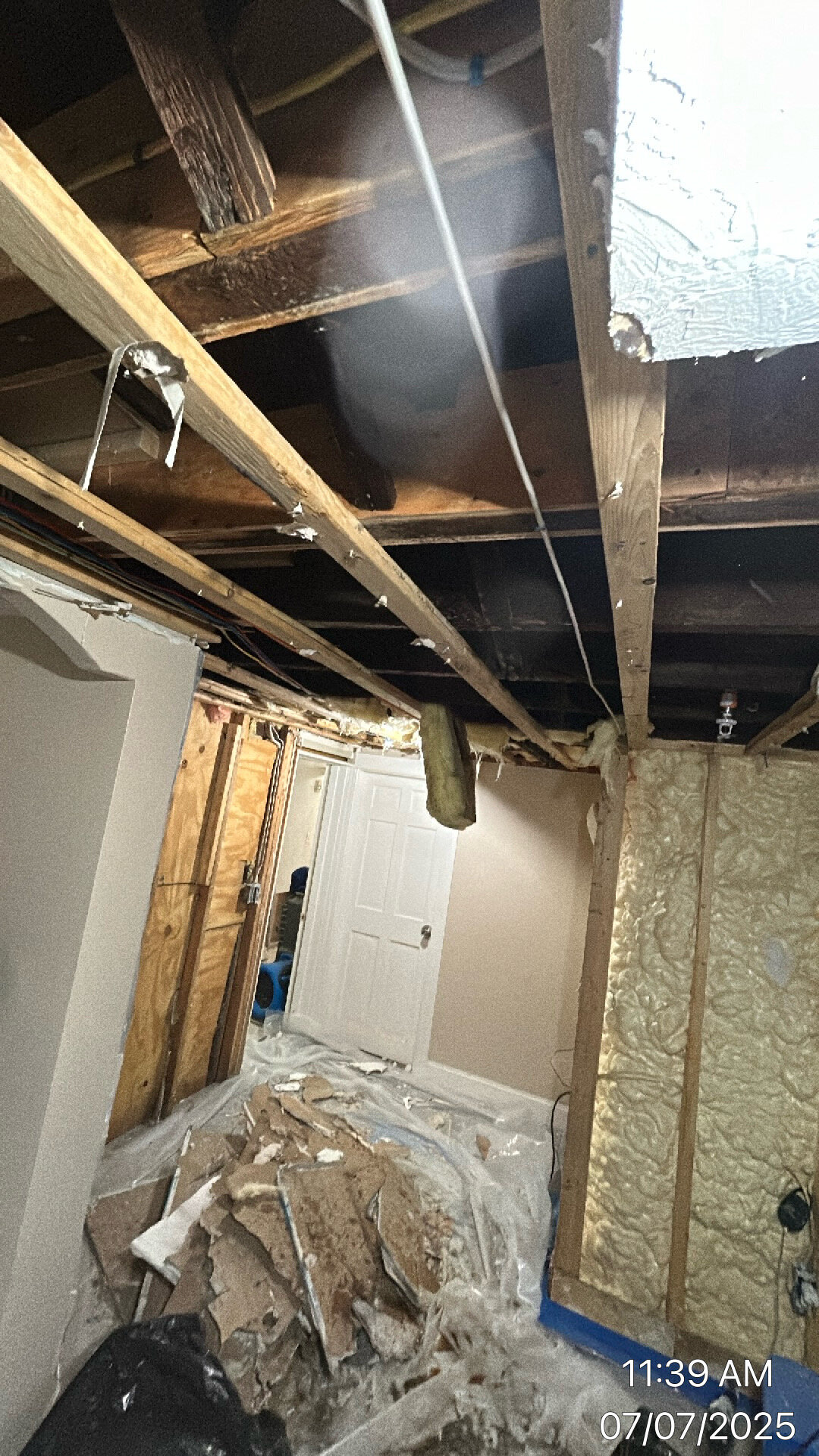
Proper documentation is one of the most powerful tools you have to support your claim. Clear, timely records can mean the difference between an approved claim and a denied one. After an incident:
-
Take detailed, date-stamped photos and videos from multiple angles, covering both the impact and the cause (if possible).
-
Save receipts for emergency mitigation work such as professional drying or board-up services.
-
Keep a written room-by-room inventory of damaged possessions, including their estimated values and original purchase dates.
For homes in the Stoughton area and greater Norfolk County, it is especially important to record seasonal factors like ice dam formation on roofs or rapid snowmelt, as these can impact claim decisions.
Tips for Working with Your Insurance Adjuster
When the insurance adjuster arrives, your preparation will pay off. Guide them through the property and provide all documentation you have compiled. If any disputes arise regarding the extent or cause of damage, polite persistence and organization work in your favor. Some local homeowners have found it helpful to involve restoration professionals during the inspection; this allows for the most accurate and thorough documentation of hidden or secondary damages.
Ask your adjuster for a written copy of their findings and estimated payout. Review it closely; if you notice discrepancies, request clarification or a second opinion. Stay proactive in communications and always follow up in writing to maintain a paper trail.
Take Action: Reach Out to Stoughton’s Trusted Restoration Team
If your Stoughton, MA home has suffered water, fire, or mold damage, maximizing your insurance claim starts with professional guidance. At American Restoration Professionals, you get local expertise on policy navigation and insured restoration services. Call today at (617) 945-4510 or fill out our online form to schedule a consultation, and let experienced professionals advocate for your best recovery.