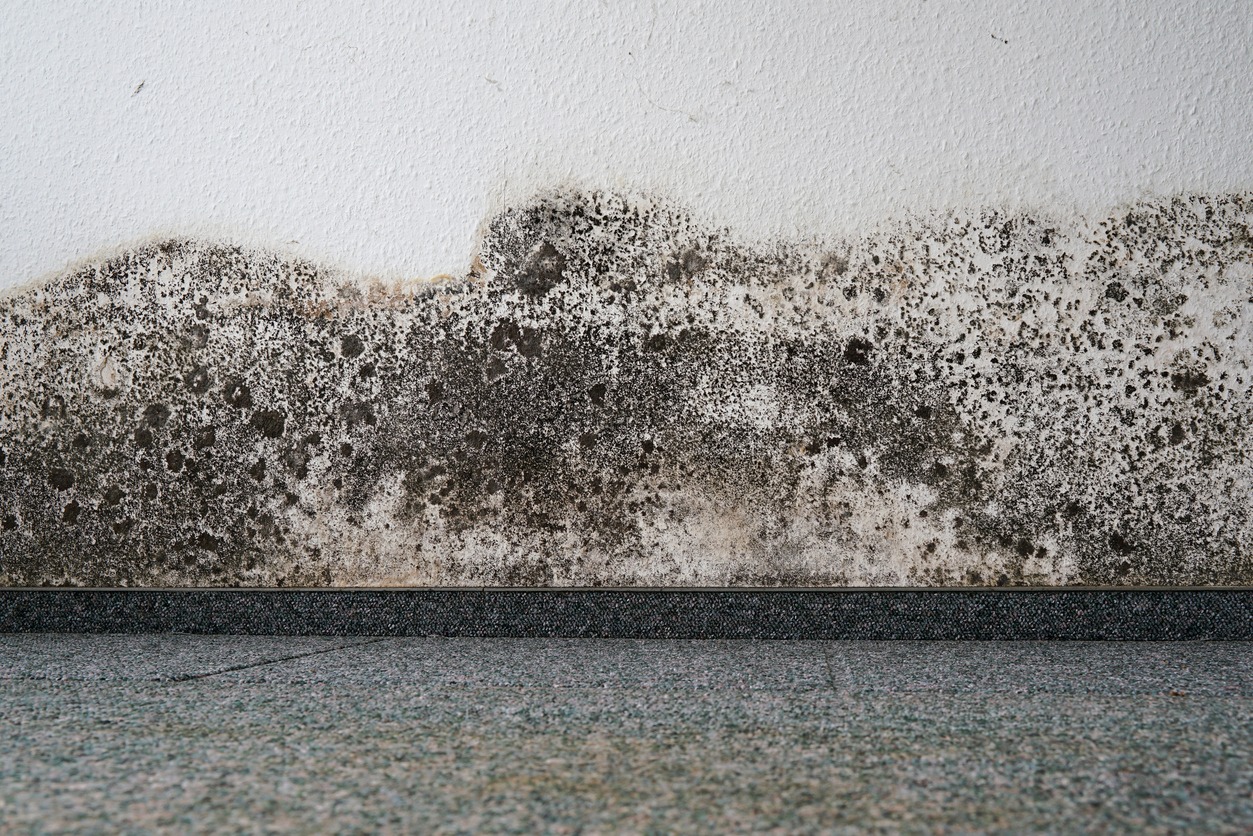
Every August and September, homeowners across Massachusetts, especially in suburban communities, face a heightened risk of mold growth in their basements. During these late-summer months, elevated humidity levels are a hallmark of New England’s weather. Although your basement may seem dry on the surface and show no evidence of leaks, warm, damp air can still trigger mold growth behind walls, under carpets, and on stored belongings. Understanding why this seasonal humidity creates ideal conditions for mold is essential to safeguard your property and your family’s health.
Why Basements Trap Humidity During Late Summer
Basements in Massachusetts are often cooler than the air outside during late summer. When warm, moisture-laden outdoor air enters a cooler, below-grade space, it condenses on cold walls, pipes, and flooring. This process is similar to how a cold glass of water sweats in humid air. As condensation accumulates, porous surfaces like wood framing, drywall, and insulation remain damp for extended periods.
Even without a visible water leak, the following conditions can put your basement at risk:
-
Poor ventilation
-
Infrequent use of basement spaces
-
High outdoor humidity levels combined with rainy spells
-
Overcrowding with stored items that block airflow
Humidity readings above 60% are common in Massachusetts basements during this season, and sustained moisture is exactly what dormant mold spores need to start growing.
Early Signs of Hidden Mold Growth
Mold doesn’t always announce itself with unsightly patches on the walls. In many Weymouth-area homes, colonies flourish out of sight before homeowners notice a problem. Watch for these subtle signs, which often appear before visible growth:
-
A musty or earthy odor that lingers, even after cleaning
-
Slight discoloration or staining on basement walls, floors, or furniture
-
Worsening allergy or respiratory symptoms among household members
-
Condensation collecting on windows or cold surfaces
If you notice any of these symptoms, prompt action is crucial to prevent further spread and structural damage.
The Importance of Professional Mold Remediation Services
Tackling mold is not just about scrubbing visible growth. Mold colonies release microscopic spores and can penetrate deep into walls, framing, and insulation, especially when fueled by Massachusetts’s late-summer humidity. Professional mold removal services provide detailed moisture assessments, proper containment, and thorough remediation. Specialists will locate the underlying moisture source, whether it’s condensation, seepage, or high humidity, and address it with techniques such as drying, dehumidification, and structural repairs. Choosing mold remediation ensures that the problem is fully resolved, not just temporarily hidden.
Humidity-Control Habits to Prevent Basement Mold
Weymouth homeowners can cut down on summer mold risks through consistent, practical habits, including:
-
Running a dehumidifier during August and September to keep humidity below 55%
-
Keeping basement vents and windows closed on humid days
-
Insulating cold pipes and basement walls to limit condensation
-
Storing belongings off the floor and away from walls to allow better air circulation
-
Regularly inspecting for small leaks or seepage after heavy rain
-
Scheduling routine checks with a water damage restoration professional to spot early warning signs
Even small changes like these can prevent the kind of hidden moisture that leads to costly mold remediation later in the year.
Contact American Restoration Professionals for Local Mold Solutions
Ready to protect your home from late-summer basement mold? If you suspect hidden mold or want to learn more about preventive humidity control in Weymouth, MA, reach out to American Restoration Professionals. Our team offers fast, thorough inspection and remediation services, tailored to the unique climate challenges of Massachusetts homes. Call us at (617) 945-4510 or fill out our quick online form to get started with a personalized assessment before minor moisture turns into major damage.