When heavy rains, burst pipes, or appliance malfunctions happen in your home or business, the immediate concern is removing visible water quickly. However, what you cannot see beneath floors, behind walls, and inside ceilings poses an even greater risk: secondary damage. This includes issues like mold growth, wood rot, and persistent odors, which often result from imperfect drying. Thermal imaging technology plays a vital role in water damage restoration by identifying hidden moisture in structures before it can lead to secondary complications. For residents and business owners alike, understanding how thermal imaging fits into drying strategies is essential for property protection.
Why Secondary Damage is a Major Concern
Secondary damage occurs when excess moisture remains trapped after a water loss, prolonging humid conditions and promoting microbial growth. Common signs include:
-
Musty odors that linger even after cleaning
-
Warped wood flooring or peeling paint
-
Visible mold spots on surfaces or baseboards
Most of these issues in Stoughton’s older homes and commercial spaces are not immediately visible and may develop weeks after the initial incident. Considering the humid spring and fluctuating temperatures in Massachusetts, the risk of undetected moisture increases.
How Thermal Imaging Works in Water Restoration
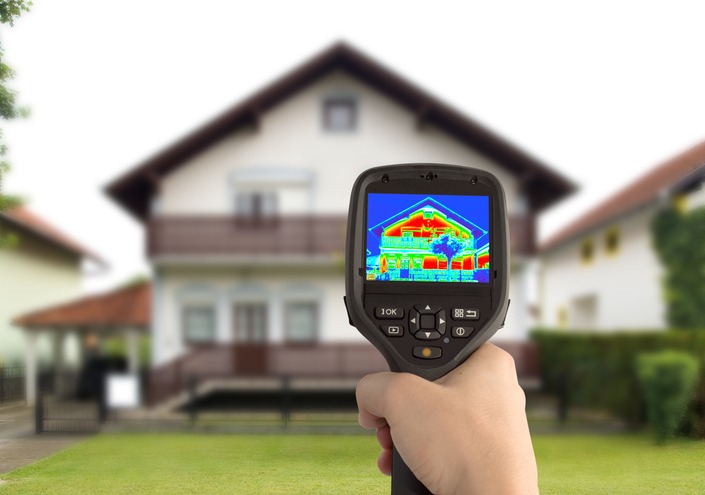
Thermal imaging cameras detect subtle changes in temperature across surfaces, revealing cooler areas where evaporation or moisture is present. Unlike invasive methods that require removing drywall or flooring, these cameras provide real-time, non-destructive insights.
During a property drying process, professionals use thermal imaging to:
-
Locate hidden pockets of moisture behind walls, under floors, and above ceilings
-
Monitor drying progress as dehumidifiers and air movers run
-
Target persistent wet areas for focused drying treatments
This technology helps ensure no moisture is left unaddressed, reducing the chance for microbial growth and structural deterioration.
Warning Signs That Professional Intervention is Needed
While some minor leaks may seem manageable with mops and fans, certain warning signs mean it is time to contact a professional water restoration company. Look out for:
-
Water stains that spread or darken over days
-
Unexplained increases in indoor humidity or condensation on windows
-
Sudden allergic reactions or respiratory discomfort among occupants
Professionals bring water damage restoration knowledge, specialized drying equipment, and advanced thermal imaging to go beyond surface-level solutions.
Planning Considerations: What to Ask Your Restoration Company
To ensure effective mitigation and avoid secondary damage, consider these questions before moving forward with a restoration provider:
-
Do you use thermal imaging during your dry-out and inspection processes?
-
Can you provide thermal images as documentation for insurance purposes?
-
What certifications or training do your technicians hold for identifying and addressing hidden moisture?
-
How do you determine when the drying process is complete?
These questions will help you evaluate restoration companies for their technical competence and readiness to protect your property comprehensively.
Available Mitigation Options Beyond DIY
While do-it-yourself drying with household fans may address limited surface water, most situations require a more sophisticated approach. Restoration professionals can provide:
-
Expert moisture mapping through thermal imaging
-
Full-service mold prevention and remediation
-
Long-term moisture monitoring and structural drying solutions
By leveraging thermal imaging and specialized drying technology, you can prevent the headaches and expenses associated with lingering water damage.
Contact American Restoration Professionals Today
If you notice persistent odors, visible stains, or other signs of water intrusion, do not wait for secondary damage to surface. American Restoration Professionals offers rapid response, state-of-the-art thermal imaging, and thorough drying services throughout Stoughton, MA and the surrounding area. Call us at (617) 945-4510 or fill out our online form to schedule an inspection. Protect your property from hidden damage before it becomes a bigger problem.