After a water emergency, it’s easy to feel relief once the standing water is removed and surfaces appear to be dry. However, in Boston area homes, hidden water damage often lingers long after a flood or plumbing leak, putting your property at risk for more serious issues. Boston’s seasonal weather, particularly wet springs and heavy snowmelts, means homes here are especially prone to sneaky moisture accumulation. That’s why it’s crucial for homeowners to understand the subtle signs of concealed water damage and the risks posed by leaving it untreated.
Why Visible Dryness Doesn’t Mean Safety
Many homeowners mistake visually dry surfaces for complete safety, not realizing that water can seep into places like drywall, subfloors, and even insulation. These hard-to-reach areas create perfect conditions for long-term water damage and mold. Moisture trapped behind walls or under flooring is difficult to spot without proper inspection tools and can cause deterioration over time.
Common Signs of Concealed Water Damage
Some red flags can be easy to overlook. By recognizing these warning signs early, you can act before the damage becomes severe:
-
Persistent musty odors, especially in basements or lower levels
-
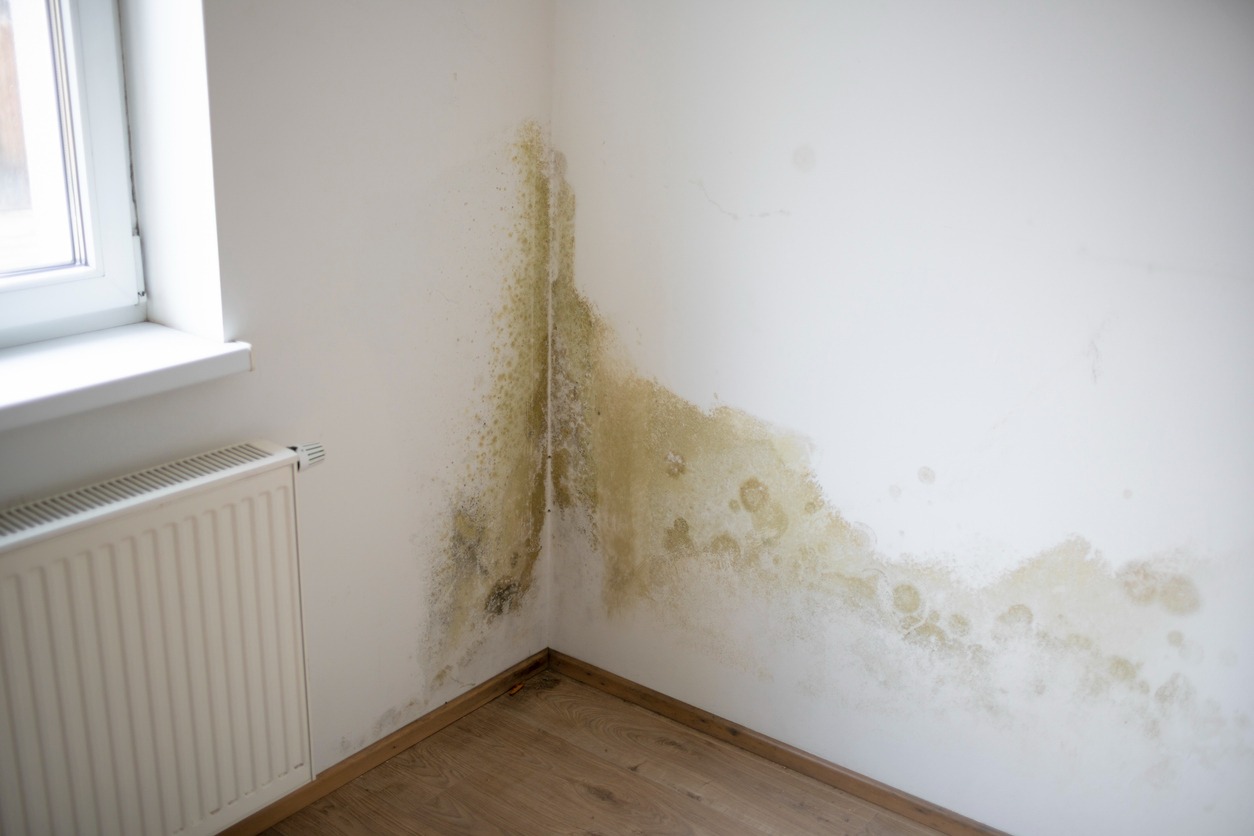
Localized hotspots of mold or mildew reappearing even after cleaning
-
Slight warping or bubbling of drywall, hardwood floors, or baseboards
-
Paint or wallpaper that is peeling, flaking, or blistering
-
A gradual or unexplained increase in indoor humidity levels
-
Unusual sounds, such as creaking or popping from structural materials
If you notice these symptoms but there is no obvious source of water, it’s a strong indicator that hidden moisture is trapped within the home’s structure. Boston’s humidity spikes in the summer, compounded with previously saturated areas, can accelerate these problems.
Risks of Ignoring Hidden Water Damage
Concealed water damage doesn’t just cause cosmetic issues; it can undermine the integrity of your home. Continued exposure to moisture can weaken wood framing, encourage pests like termites, and create costly electrical issues. The real danger, however, lies in mold growth. Mold thrives under floors and inside walls where air circulation is poor and humidity is high. Once established, mold can cause unpleasant smells, unhealthy air quality, and even chronic respiratory issues for occupants.
In the Boston region, homes built before the 1980s are particularly susceptible due to the widespread use of materials such as plaster and lath. These community-specific details highlight the importance of tailored water restoration solutions for older homes.
Benefits of Professional Water Damage Restoration
Dealing with water damage in hidden areas is not a DIY-friendly job. Restoration professionals use moisture meters, infrared cameras, and specialized equipment to detect and remove trapped water. With services like water damage restoration and mold remediation, a reputable company ensures the structural integrity of your property while preventing repeat problems.
Experts will properly dry and sanitize all affected materials, stopping further structural decay and inhibiting mold growth. This approach saves money and time in the long run, as timely intervention can prevent expensive remodeling or structural repairs.
Contact Boston’s Local Water Damage Restoration Professionals
If you suspect hidden water damage in your Boston, Massachusetts home, whether due to lingering odors, warped materials, or unexplained indoor humidity, the safest step is to consult local professionals. American Restoration Professionals understands the unique building styles and weather challenges in this area. Reach out today by calling 617-945-4510 or fill out our simple online form to schedule an inspection. Trust your home’s health and safety to Boston’s reliable water damage restoration and mold remediation experts.