When most people think about mold, they picture humid summers and muggy basements, not the bone-chilling winter months in Massachusetts. However, winter does not offer a break from mold problems; in fact, the season brings its own challenges that make mold growth indoors more likely. Understanding why mold can become a problem in cold weather will help you keep your home safe and healthy all year long.
Why Mold Isn’t Just a Summer Problem
Contrary to popular belief, mold does not go dormant during winter. Instead, homes in Massachusetts are at higher risk for mold remediation services during the colder months. When outdoor humidity drops, you are likely to use heating systems, and these can dry outdoor air but trap moisture inside. Moisture from daily activities like showering, cooking, and even breathing builds up, especially in airtight homes designed to keep out the cold. This indoor humidity, when combined with warm surfaces and poor ventilation, gives mold spores everything they need to thrive.
Structural issues common in older Stoughton-area homes, such as poorly insulated attics or leaky windows, can also lead to condensation buildup. When warm air meets the cold surfaces of windows or exterior walls, moisture collects, providing another ideal breeding ground for mold.
How Winter Mold Develops Indoors
Winter mold growth typically appears in spaces where condensation occurs:
-
Window sills
-
Attics and crawl spaces
-
Behind furniture against exterior walls
-
Bathrooms and kitchens
-
Around HVAC systems
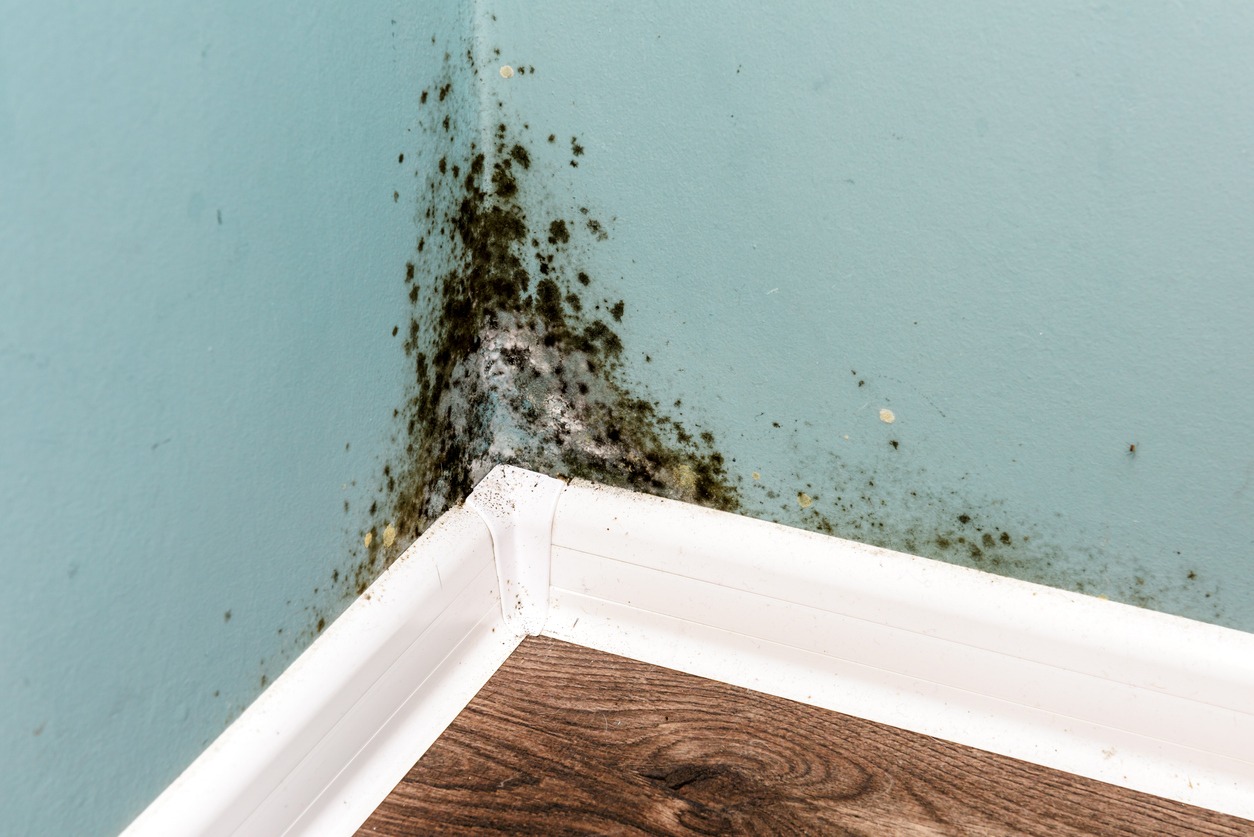
These damp spots create the perfect microclimate for mold. If left unchecked, even a small spot can quickly turn into a wide-ranging problem. Residents often complain of musty odors or see black or greenish stains on walls and ceilings—both signs that indoor mold is present and active.
Health Effects of Indoor Mold During Winter
It’s not just your home’s structure at risk. Winter mold exposure can aggravate allergy and asthma symptoms, especially since families spend more time indoors during New England winters. Common health issues include:
-
Persistent coughing or sneezing
-
Eye, nose, or throat irritation
-
Skin rashes
-
Worsening asthma or respiratory issues
Those with weakened immune systems, children, or elderly individuals are particularly vulnerable. Addressing mold promptly is essential for protecting your household’s well-being.
DIY Prevention Strategies and When to Call a Professional
Preventing mold in winter is challenging but not impossible. Here are simple tactics you can use:
-
Use exhaust fans in bathrooms and kitchens.
-
Keep furniture away from exterior walls to promote airflow.
-
Regularly check windows for condensation and wipe them dry.
-
Run a dehumidifier in damp areas like basements.
These steps can help reduce risk but are not a substitute for professional intervention if you already spot mold. If you notice spreading stains, a persistent musty smell, or have repeated moisture issues that don’t resolve, it’s time to call the experts for water damage restoration or specialized mold removal. Some DIY approaches, like using bleach or household cleaners, can sometimes mask deeper problems and leave hidden colonies behind.
Professional Mold Solutions in Stoughton, MA
If you need comprehensive mold cleanup or emergency water damage cleanup this winter, reach out to American Restoration Professionals right here in Stoughton, MA. The team can thoroughly assess and remove mold, repair water damage, and help you prevent recurring problems. Call (617) 945-4510 or fill out our online form to schedule a prompt on-site inspection and get your home back to a safe, healthy state.