
Heavy rainstorms are a common occurrence throughout Massachusetts, especially in the spring and fall seasons. For homeowners, periods of intense rainfall can pose a particular threat to plumbing systems. Too often, the dangers of sewage backup cleanup are underestimated until foul odors or pooling water appear in your basement, bathroom, or yard. Understanding what causes sewage backups, the health risks they present, and how to react immediately during a storm can help you safeguard your household.
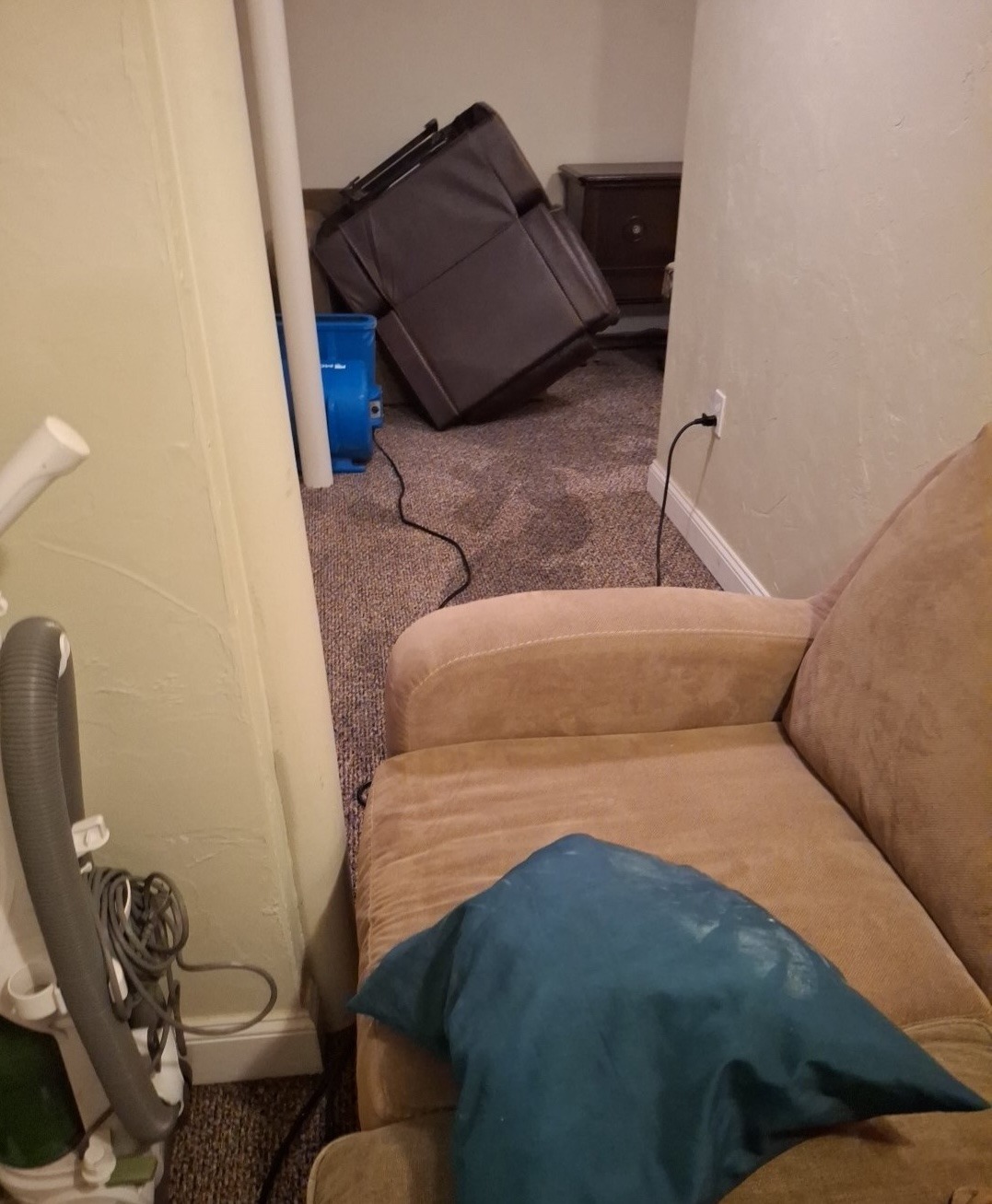
Why Do Sewage Backups Happen During Heavy Rain?
Sewage backups are frequently linked to an excessive buildup of rainwater entering the city sewer systems or private septic tanks. When drainage systems become overwhelmed, water can flow backward through pipes, carrying raw sewage back into homes. Some of the root causes in the Stoughton, MA area include:
-
Clogged or aging pipes obstructing flow
-
Tree root infiltration creating blockages
-
Heavy rainfall or rapid snowmelt increasing groundwater pressure
-
Malfunctioning sump pumps failing to redirect excess water
In addition, properties with improper grading may have water pooling near foundations, putting extra stress on sewer lines. Multi-family homes and older properties in established neighborhoods can be particularly susceptible due to outdated plumbing infrastructure.
Health Risks and Property Damage from Sewage Backup
Sewage backups are much more than an inconvenience. Raw sewage contains bacteria, viruses, parasites, and other dangerous contaminants. Exposure poses significant risk of gastrointestinal illness, skin infections, and respiratory issues. Even brief contact with affected surfaces can lead to illness, particularly in children and seniors.
Beyond health risks, sewage backup can cause extensive property damage, including:
-
Contamination of carpets, furniture, and personal items
-
Deterioration of drywall, wood, and insulation
-
Lingering odors and mold growth if water is not removed promptly
The cost to replace goods and restore your home increases significantly the longer standing water remains.
Emergency Response Steps for Homeowners
If you notice sewage backing up into your home during a rainstorm, act quickly to limit risk:
-
Avoid direct contact with affected areas; keep children and pets away
-
Turn off electrical breakers in impacted zones if it is safe
-
Do not flush toilets, run dishwashers, or use washing machines to prevent further overflow
-
Ventilate the area by opening windows if possible
Most importantly, do not attempt extensive cleanup yourself. Household disinfectants are not effective against all pathogens common in sewage, and improper cleaning often spreads contamination. Instead, contact a professional sewage cleanup service with the right equipment and training.
How Professional Sewage Cleanup Helps Protect Your Property
Local professionals use advanced extraction tools to remove standing water and sewage, reducing the risk of secondary damage. Certified teams follow strict safety protocols to clean, disinfect, and restore affected areas, ensuring all hazardous bacteria and viruses are eliminated. Rapid, thorough remediation also helps salvage as much of your property as possible, saving you time, money, and stress.
Services may include:
-
Assessment and documentation of the damaged areas
-
Removal and disposal of contaminated materials
-
Sanitizing, deodorizing, and drying with specialized equipment
Additionally, local technicians can recommend steps to prevent future backups, such as backwater valve installation and routine water damage restoration inspections.
Get Immediate Sewage Backup Help in Stoughton, MA
Protecting your home from sewage backup during heavy rain requires a plan and fast action. If your Stoughton, MA property faces a sewage emergency, call American Restoration Professionals any time at (617) 945-4510 or fill out our online form to schedule immediate service. Experienced crews are available 24/7 to resolve emergencies, help prevent long-term damage, and restore your home to a safe, healthy environment.