
As winter recedes and spring temperatures rise, homeowners face increased flood risks as melting snow and seasonal rains put added pressure on properties. In the Northeast, including communities across Massachusetts, the combination of lingering snowpack and March or April downpours means water intrusion and basement flooding are real concerns. Preparing your home in advance not only protects your investment, but also helps avoid costly disruption, property damage, and stress often associated with flood cleanup and water mitigation.
Understanding Seasonal Flood Vulnerabilities
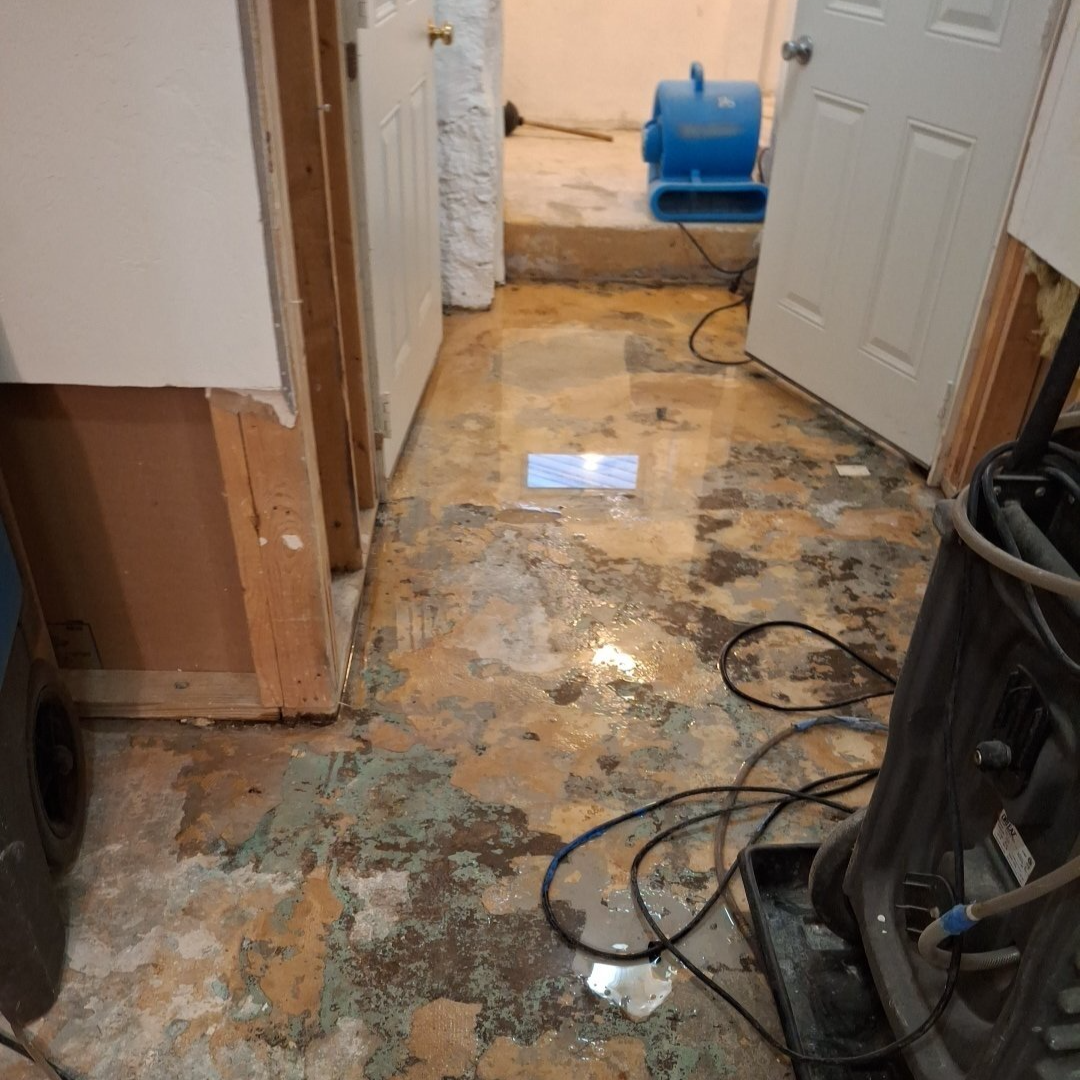
Spring thaw introduces a unique set of water damage risks. As the ground transitions from frozen to saturated, it loses its ability to absorb excess moisture effectively. This can lead to water pooling near your home’s foundation, significantly increasing the chances of water damage restoration needs. Properties with below-grade basements or older foundations are especially vulnerable. After several instances in Weymouth where late March thaws were followed by heavy rains, local homeowners discovered seepage along basement walls, particularly in low-lying neighborhoods.
Basement Flooding: Prevention Starts Outside
The key to minimizing basement flooding is to manage how water flows around your home. Start by evaluating the grading of your property:
-
Make sure the soil slopes away from the house at least six inches for the first ten feet.
-
Fill in low spots where water tends to collect, especially near entry points, window wells, or under decks.
-
Trim back landscaping to ensure roots and vegetation aren’t trapping moisture against the structure.
During previous springs in Weymouth, poorly graded yards and old window wells have commonly led to unexpected water intrusion for local homeowners.
Gutter and Downspout Maintenance for Effective Drainage
Clogged or damaged gutters are a leading cause of water pooling around foundations. Every spring:
-
Clear leaves, twigs, and debris from gutters and downspouts.
-
Inspect for cracks or separation at the joints, and ensure water is directed at least five feet away from your foundation.
-
Install downspout extensions if necessary for proper drainage.
In the Weymouth area, a recurring issue is ice dams causing gutter backups that lead to foundation leaks after the thaw. Proactive cleaning and repairs are essential.
Mitigation Strategies and Early Detection
Early detection of water leaks is essential for avoiding long-term issues like mold growth and structural damage. Consider these steps:
-
Invest in a sump pump or water alarm, especially if your basement has flooded before.
-
Regularly check for condensation, dampness, or dark stains on basement walls and floors.
-
Request a mold remediation inspection if you notice persistent humidity or musty odors following melt or rain events.
Should you encounter standing water or notice signs of moisture, prompt action with emergency water removal services can reduce the long-term impact dramatically.
Contact a Local Specialist for Peace of Mind
If you are in Weymouth, MA and want peace of mind this spring, reach out to American Restoration Professionals. The team is highly familiar with local weather challenges and is ready to help you stay protected against flooding and water-related emergencies. For a property assessment or rapid response, call (617) 945-4510 or fill out our online form. Let trusted local experts help you prepare for the unpredictable New England spring.