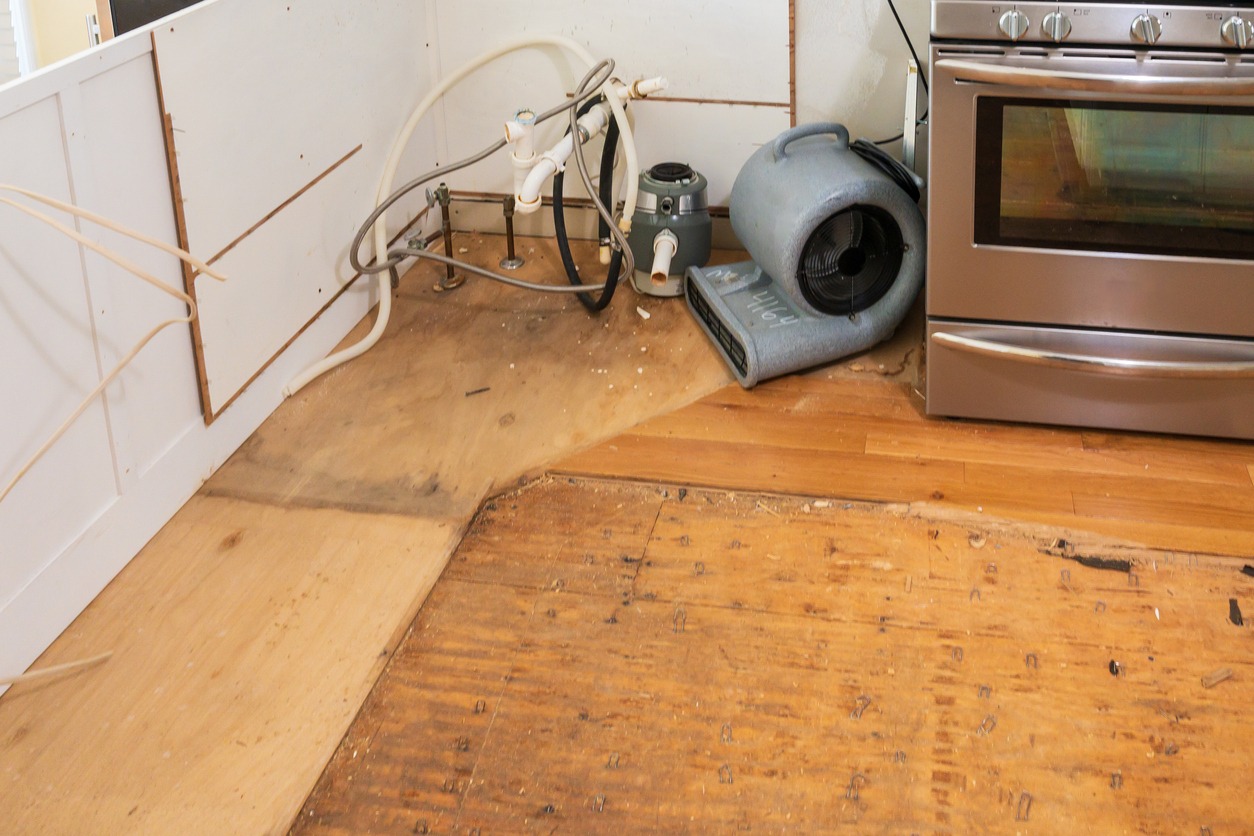
Water damage is not always as obvious as a soaked carpet or pooling water on the basement floor. Moisture can seep and spread behind walls, beneath flooring, and into building materials where it escapes visual detection. This is why professional water damage restoration requires more than just visible cleanup; it demands advanced diagnostic tools and techniques, particularly moisture mapping. This process plays a vital role in accurately identifying and eliminating hidden water, helping protect homes and businesses from long-term structural damage or mold growth.
What Is Moisture Mapping?
Moisture mapping is a systematic process that uses specialized tools to detect and document areas of elevated moisture within a building. Restoration professionals rely on moisture meters and thermal imaging cameras to create a thorough “map” of wet zones, even when surfaces appear dry to the touch. Pinpointing these hidden pockets of water is essential for comprehensive water mitigation services.
Moisture mapping works by:
-
Scanning walls, floors, and ceilings for abnormal moisture readings
-
Locating the exact boundaries of water intrusion
-
Documenting data to guide targeted drying and ensure nothing is overlooked
Why Surface-Level Cleanup Falls Short
Attempting to address water damage using only visual cues is risky. Many Boston-area homeowners have discovered lingering musty odors or post-restoration mold weeks after a “standard” cleanup. This happens when water seeps into insulation, drywall, or under subfloors, places not visible or accessible without the right technology.
Without moisture mapping, restoration may leave:
-
Damp building materials
-
Areas of potential mold growth
-
Structural damage that develops months after visible signs disappear
Professional solutions apply structural drying methods based on scientific data, not guesswork, helping ensure a healthier, safer indoor environment.
Tools Used in Professional Moisture Mapping
Successful moisture mapping requires advanced diagnostic devices and training. Professional water restoration companies use:
-
Non-invasive moisture meters to determine moisture content in surfaces without damaging finishes
-
Thermal imaging (infrared) cameras to reveal temperature differences, pointing to moisture behind walls or in ceilings
-
Penetrating probes when readings suggest deeper water intrusion
These tools help restoration professionals rapidly trace water migration, especially in traditional Boston brownstones or newer high-rise condos where water can travel fast through shared walls or HVAC systems.
Protecting Boston Properties Year-Round
Boston’s seasonal weather from spring flooding to winter pipe bursts makes hidden water damage a year-round concern. Moisture left undetected after a storm or leak can allow mold to thrive in as little as 24 to 48 hours. Boston’s humid summers add another layer of risk. Using moisture mapping ensures restoration efforts address all affected areas, limiting further damage and reducing the likelihood of repeated repairs. For instance, after last winter’s Nor’easter, American Restoration Professionals relied on moisture mapping to reveal wet subfloors in several South End homes, avoiding what could have been expensive mold remediation months later.
Contact American Restoration Professionals for Detailed Moisture Mapping and Water Damage Solutions
If you suspect hidden moisture in your Boston, Massachusetts property or have recently experienced water damage, contact American Restoration Professionals for comprehensive emergency water removal and moisture mapping services. Reach the team at (617) 945-4510 today or fill out our online form for a prompt, local response. Protect your investment and your family’s health by ensuring every drop of water is located and properly addressed before damage spreads.