Water damage in residential and commercial buildings is a significant concern, especially when it penetrates surfaces like walls and floors. If you have ever wondered how water gets behind your drywall and beneath your floors, understanding the mechanics of water migration is vital, particularly in the seasonal climate experienced in Boston. This knowledge can help you address water damage quickly and avoid extensive structural issues later on.
How Water Penetrates Your Walls and Floors
Water intrusion often starts with an event such as heavy rainfall, a leaking appliance, or burst pipes. In Boston’s spring thaw or during intense summer storms, water often follows the path of least resistance, starting at the point of entry and gravitating downward due to gravity. When it encounters drywall, the material absorbs moisture readily, allowing it to seep behind the surface.
Once behind the drywall, water reaches the wooden studs, which are crucial for the structural integrity of your property. Wood is porous and will absorb moisture, spreading it laterally and even vertically along the stud cavity. Insulation within the walls exacerbates the problem by trapping moisture, increasing the risk of mold growth and long-lasting structural issues.
The Pathway from Studs to Subfloor
When excess water continues to move downward, it collects at the bottom plate of the wall and encounters the subfloor. The subfloor, commonly constructed from plywood or oriented strand board (OSB), will absorb water at points of direct contact. In humid summer conditions in the Boston area, elevated moisture levels can accelerate this process. If left unaddressed, prolonged saturation will cause the subfloor to swell, warp, or even rot, jeopardizing the entire floor system.
This lateral and vertical migration of water often goes unnoticed without professional inspection tools. Local customers of American Restoration Professionals have often observed small signs of water staining or subtle warping in floors, only to find significant hidden moisture damage during further evaluation.
The Hidden Risks of Trapped Moisture
Trapped moisture within your studs and subfloor presents significant risks that extend beyond cosmetic issues:
-
Molds can develop within 24-48 hours under the right conditions, posing both health and structural hazards.
-
Prolonged moisture can weaken the wood and compromise the load-bearing capacity of walls and floors.
-
Persistent humidity and dampness hidden inside wall cavities can lead to persistent odors and degraded indoor air quality.
Ignoring these issues can lead to costly, avoidable repairs. Water damage restoration and thorough mitigation become necessary to return the property to a safe, healthy condition.
Identifying Water Migration with Professional Help
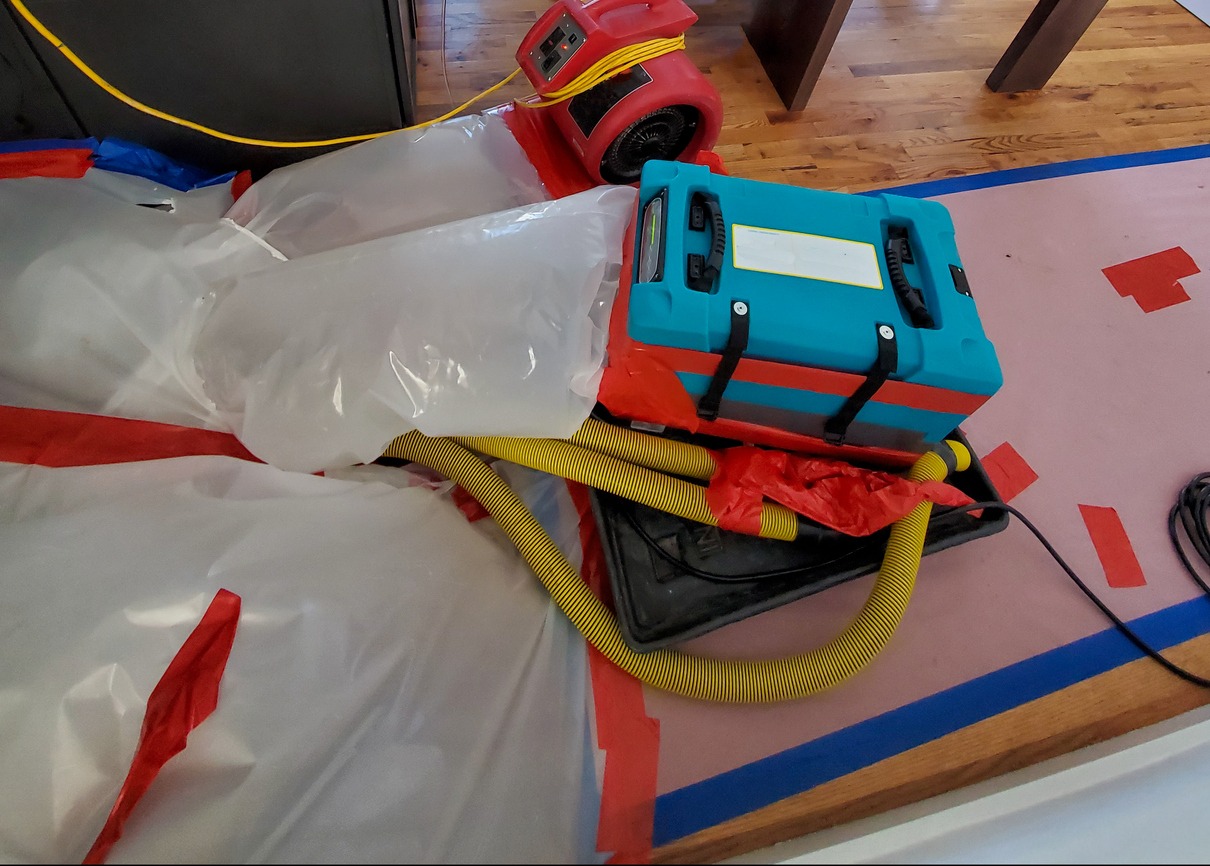
Detecting concealed water migration requires more than a visual inspection. Thermal cameras, moisture meters, and humidity sensors reveal dampness behind walls and under floors that would not otherwise be apparent. Trained restoration teams assess the full extent of water travel to design the most thorough and efficient plan for water damage repair. The approach of American Restoration Professionals involves not only drying and restoring, but also proactive dehumidification and monitoring to ensure the environment is safe for future occupancy.
Why Timely Restoration Matters
Delaying restoration increases the possibility of permanent structural damage and mold infestations. The longer water remains within your walls and under your subfloor, the more compromised the materials become. In the often-humid seasons here, immediate response is key to preserving property value and maintaining a healthy environment. With routine thunderstorms and melting snow typical in Boston’s climate, local property owners benefit from professional intervention as soon as water damage is suspected or discovered.
Trusted Water Damage Restoration in Boston, MA
If you suspect water has traveled into your walls or floors, do not hesitate to act. American Restoration Professionals provides prompt, thorough, and effective emergency water extraction and restoration services throughout Boston, Massachusetts. To schedule a professional assessment or begin the restoration process, call 617-945-4510 or fill out our secure online form today.